
The best science-backed skincare rests on three pillars: daily broad-spectrum sunscreen, targeted clinical actives matched to your specific concern, and consistent barrier support through hydration. Most people see meaningful change within 6 to 12 weeks of steady use, though pigment and texture issues can take longer. Start slowly with any new active, patch test first, and check with a dermatologist if you have sensitive skin or a medical condition.
TL;DR:
- Retinoids are effective for acne and aging, but starting with OTC options at two to three nights a week minimizes irritation.
- Combining tranexamic acid, niacinamide, arbutin, and kojic acid at appropriate concentrations can reduce hyperpigmentation by over 30% in about three months.
- Sunscreen with broad-spectrum SPF 30+ is essential daily, with tinted formulas recommended for darker skin to block visible light that worsens pigmentation.
- Sensitive skin types should prioritize barrier-supporting ingredients like niacinamide and avoid high-percentage acids or retinoids early in their routine.
- Building a routine gradually, typically over six weeks, with careful layering and patch testing can optimize results and minimize irritation.
Table of Contents
- Which ingredients actually have clinical evidence behind them?
- How do you build a daily and weekly routine around these actives?
- What does the clinical evidence actually show?
- How Beauvex’s Cellura ritual applies these pillars
- How do you tell real science from marketing hype?
- What side effects should you expect, and is your skin type compatible?
- Does your diet, sleep, and stress level actually affect your skin?
- Our take: prioritize transparency over trendy claims
- Try the Cellura ritual built around these same principles
- FAQ
- Sources
Which ingredients actually have clinical evidence behind them?
Skincare aisles are full of claims, but only a handful of ingredients have real trial data behind them. Here is what the research supports, what concentrations matter, and how quickly each one tends to work.
Retinoids remain the most studied anti-aging and anti-acne ingredient class. They work by speeding cell turnover and signaling collagen production, which is why the American Academy of Dermatology recommends them for acne management and notes that over-the-counter adapalene 0.1% is an effective nonprescription option for both active breakouts and the dark marks they leave behind. Prescription retinoid is stronger and faster but carries a higher irritation risk, so most people do better starting with an OTC retinoid two or three nights a week and building up slowly.
Niacinamide at 2% to 5% concentrations has a strong track record for calming inflammation and disrupting the pigment-transfer process that causes dark spots. It pairs well with almost everything else in a routine, which is part of why it shows up in so many multi-active formulas.
Tranexamic acid, alpha-arbutin, and kojic acid each interrupt melanin production at different points in the pathway, and combining them tends to outperform using any single one alone. A review of tranexamic acid for hyperpigmentation found evidence across topical, oral, and intradermal routes, with documented anti-melanogenesis and anti-inflammatory effects. For a deeper look at how these three compare, our guide to tranexamic acid for hyperpigmentation and our arbutin versus kojic acid comparison break down the practical differences.
Vitamin C and other antioxidants can brighten skin and support collagen, but formulation matters more here than with most actives. L-ascorbic acid degrades quickly when exposed to light and air, so a poorly packaged vitamin C serum may offer little by the time it reaches your face. If you are deciding between vitamin C and a pigment-focused active like niacinamide, our niacinamide versus vitamin C comparison walks through when each makes more sense.
AHAs and BHAs (glycolic, lactic, and salicylic acids) exfoliate dead skin cells and help fade surface discoloration, typically used at 5% to 10% concentrations for AHAs and 1% to 2% for salicylic acid. Using them more than two or three times a week can compromise the skin barrier, especially when combined with retinoids.
Hydrators and barrier agents, including hyaluronic acid, ceramides, glycerin, and squalane, do not treat specific concerns but make every other active more tolerable by keeping the skin barrier intact.
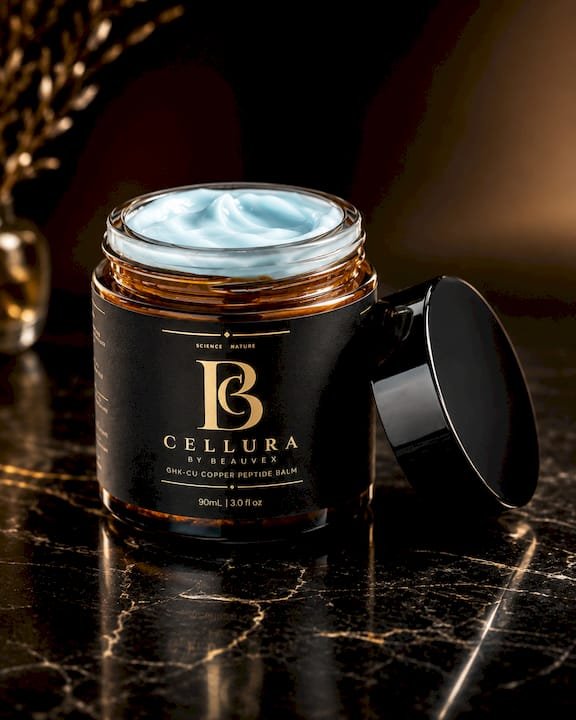
Peptides, including copper peptides (GHK-Cu), have evidence supporting a role in wound healing and skin repair, which is why they are often positioned as a recovery step after more aggressive actives rather than a frontline treatment.
Sunscreen is the one non-negotiable. The FDA regulates sunscreens as over-the-counter drugs and requires broad-spectrum SPF 15 or higher to claim a reduced risk of skin cancer and early aging, while banning misleading claims like “waterproof.” For anyone managing dark spots, a plain sunscreen is not always enough: visible light, not just UV, can worsen pigmentation in darker skin tones, which is why tinted, iron oxide-containing formulas are often recommended for that specific concern. Our breakdown of whether sunscreen fades dark spots covers the practical application details.
A gel serum combining tranexamic acid, niacinamide, 4-butylresorcinol, and hydroxy acids reduced brown spot surface area by 40.3% and melanin index by 31.1% after 84 days in a 35-subject clinical trial, underscoring that multi-ingredient pigment formulas tend to outperform single actives.
- Retinoids speed cell turnover and are backed by AAD guidance for acne and post-acne marks.
- Niacinamide at 2% to 5% calms inflammation and disrupts pigment transfer.
- Tranexamic acid, arbutin, and kojic acid interrupt melanin production at different stages.
- Vitamin C needs stable packaging to stay effective.
- AHAs and BHAs exfoliate but can irritate if overused alongside retinoids.
- Hyaluronic acid, ceramides, and squalane support the barrier that makes actives tolerable.
- Copper peptides support repair, often used after stronger actives.
- Broad-spectrum SPF 30+ is required daily, with tinted versions for pigment-prone skin.
Pro Tip: Introduce one new active at a time, two weeks apart, so you know exactly what is working and what is irritating your skin.
How do you build a daily and weekly routine around these actives?
A good routine is less about owning more products and more about sequencing the ones you have correctly.
Your morning routine should center on a gentle cleanse, an optional antioxidant like vitamin C, and broad-spectrum SPF 30 or higher, tinted if you are managing pigment. Your evening routine is where the real treatment happens: cleanse, apply your targeted active (a retinoid or a pigment modulator), then seal with a moisturizer or barrier balm.
Layering rules matter more than most people realize. Strong AHAs and retinoids on the same night can overwhelm the skin barrier unless you have built up tolerance over months, so most dermatology guidance suggests alternating nights rather than combining them early on. Niacinamide and pigment modulators like tranexamic acid or arbutin are gentler and generally safe to layer together.
- Start minimal: cleanser, moisturizer, and SPF for the first two to four weeks while your skin adjusts to a consistent routine.
- Add one targeted active (retinoid or pigment serum) at a low frequency, two to three nights a week.
- Increase frequency gradually over four to six weeks as tolerance builds, watching for excess redness or peeling.
- Layer a second active (such as a pigment modulator alongside a retinoid) only once the first is well tolerated.
- Add exfoliating acids last, limited to one or two nights a week, and never on the same night as a retinoid until you are experienced.
- Reassess every 8 to 12 weeks, adjusting concentrations or frequency based on visible results and irritation.
A minimal three-step routine (cleanser, moisturizer, SPF) suits sensitive or reactive skin. An intermediate four-step routine adds one targeted active. An advanced five- or six-step routine separates morning antioxidants from evening actives and barrier repair, which is closer to what people with stubborn post-acne marks or visible aging typically need. For a step-by-step walkthrough of building this from scratch, this at-home routine guide offers a useful sequencing framework.
Pro Tip: If you only remember one layering rule, remember this: treat first, moisturize last, and never skip SPF the morning after using an active.

What does the clinical evidence actually show?
The strongest skincare claims are the ones with published trial data behind them, not marketing copy.
A 2026 consensus panel evaluating ingredient appropriateness across ten clinical scenarios found that photoprotection and barrier support were rated most appropriate across nearly every context, while pigment modulators like tranexamic acid and arbutin were scenario-specific, recommended for dyschromia but not universally.
| Evidence source | Key finding | Timeframe |
|---|---|---|
| Protection and repair regimen study | Radiance improved, roughness reduced, hydration increased | 12 weeks |
How Beauvex’s Cellura ritual applies these pillars
We built the Cellura system around the same three pillars the research points to: cleansing that preps skin for treatment, targeted pigment correction, and barrier repair that keeps the whole routine tolerable.
- The Cellura ClearMark Bar combines salicylic, azelaic, and kojic acids to clear pores and begin fading post-acne marks before treatment even starts.
- The Cellura Luminé Brightening Serum pairs niacinamide, tranexamic acid, kojic acid, and alpha-arbutin to disrupt pigment production at multiple points, the same multi-target approach the 2024 gel serum trial showed working. Our Luminé serum product page lists exact concentrations for each active.
- The Cellura Balm uses GHK-Cu copper peptides alongside tallow and squalane to support barrier repair after treatment, which matters most on nights when actives are strongest.
We publish exact concentrations for every active in each step so you can compare them against the clinical literature yourself, rather than taking efficacy on faith.
How do you tell real science from marketing hype?
A claim backed by real evidence usually names a specific ingredient, a specific concentration, and points to a study you can actually read, not just a vague reference to “clinically tested.” Watch for red flags: proprietary blends that hide concentrations, before-and-after photos with no stated timeline, and language like “detoxifies” or “purifies,” which have no defined mechanism in dermatology.
A legitimate claim should survive three questions: Is the ingredient concentration disclosed? Is there a published study, ideally peer-reviewed, behind the specific formula or a close analog? Does the claimed timeline match what similar studies report, typically 8 to 12 weeks for pigment or texture changes? If a product promises visible results in days, treat that as a warning sign rather than a selling point.
Independent of brand claims, resources like Harvard Health’s overview of OTC anti-aging ingredients are a useful baseline for checking whether an ingredient has broad dermatological support or is riding a trend. When a brand will not disclose what percentage of an active is actually in the formula, there is no way to evaluate whether the dose used in published research is the dose you are buying.
What side effects should you expect, and is your skin type compatible?
Retinoids and hydroxy acids are the most likely to cause redness, peeling, or stinging, especially in the first two to four weeks. This is expected and usually temporary if you step up frequency slowly, but persistent burning or swelling means it is time to pause and simplify your routine.
Sensitive and reactive skin types generally tolerate niacinamide, azelaic acid, and barrier-focused ingredients like ceramides and squalane better than strong retinoids or high-percentage acids. Oily and acne-prone skin usually tolerates salicylic acid and retinoids well, since both help regulate oil and clear pores, though both can still cause dryness if overused.
Darker skin tones are more prone to post-inflammatory hyperpigmentation from any irritation, which makes the step-up approach especially important: a retinoid applied too aggressively can trigger the exact dark marks it is meant to treat. Anyone with eczema, rosacea, or a diagnosed skin condition should check with a dermatologist before adding exfoliating acids or retinoids, since these conditions change how the skin barrier responds to active ingredients.
Does your diet, sleep, and stress level actually affect your skin?
Topical treatments work on the skin you have, but lifestyle factors influence the skin you are building. Chronic stress raises cortisol, which can increase oil production and worsen inflammatory acne, undermining even a well-designed topical routine. Poor sleep is linked to slower skin barrier recovery overnight, which is precisely when retinoids and repair-focused ingredients like copper peptides are doing their work.
Diet’s role is less clear-cut than skincare marketing often suggests, but a pattern of high-glycemic foods has been associated with acne flares in some people, while adequate hydration and a nutrient-rich diet support the skin’s general resilience. None of this replaces a topical routine, but ignoring sleep and stress while investing heavily in actives is a common reason people feel like their routine “stopped working” when the issue was never the product.
Our take: prioritize transparency over trendy claims
We built Beauvex around disclosed concentrations and cited research because we think buyers deserve to evaluate claims themselves, not take a brand’s word for it. Start new actives slowly, wear sunscreen daily without exception, and give any routine at least eight weeks before judging it.
— Beauvex LLC
Try the Cellura ritual built around these same principles
If you have read this far, you already know what to look for: disclosed concentrations, ingredients with trial data behind them, and a routine that respects your skin’s tolerance. The Cellura system puts those principles into a three-step ritual designed specifically for post-acne dark spots and discoloration.
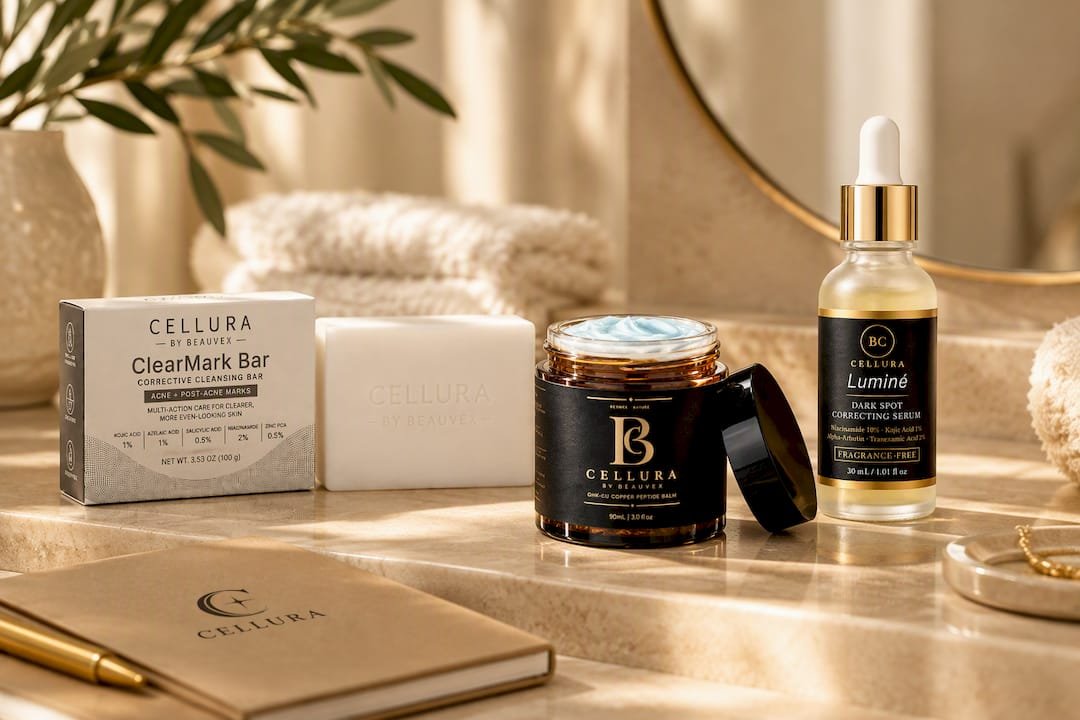
- Use the ClearMark Bar to cleanse and prep skin with salicylic, azelaic, and kojic acids.
- Use the Luminé Brightening Serum nightly to target pigment with niacinamide, tranexamic acid, and alpha-arbutin.
- Use the Cellura Balm to support barrier repair with GHK-Cu copper peptides.
Every concentration is published on the product pages, so you can compare our formulas directly against the studies referenced above. Explore the full Cellura line to build your ritual.
This article is general information, not a substitute for advice from a qualified doctor. Consult a qualified healthcare professional about your own circumstances before acting on anything here.
FAQ
What is the #1 skincare in the world?
There is no single ingredient or brand recognized globally as the top skincare option, since needs vary by skin type and concern. The ingredients with the broadest clinical support across concerns are broad-spectrum sunscreen, retinoids, and niacinamide.
What is the best proven skincare brand?
No brand holds a universal “best proven” title, since efficacy depends on formulation, concentration, and the specific concern being treated. Look for brands that disclose exact ingredient concentrations and cite the clinical research behind their formulas, which allows you to evaluate the evidence yourself rather than relying on marketing claims.
What are some science-backed skin care brands?
Science-backed brands are generally defined by disclosed ingredient concentrations and published or cited clinical evidence rather than a fixed list of names. Beauvex, for example, publishes concentrations and research references for each active in its Cellura ritual so buyers can verify claims directly.
What is the best skincare that actually works?
The combination with the strongest evidence is daily broad-spectrum SPF 30 or higher, a clinically dosed active matched to your concern such as a retinoid or pigment modulator, and consistent barrier support through moisturizing ingredients like ceramides or squalane. Visible results for pigment or texture typically take 8 to 12 weeks of consistent use, as shown in the 2024 gel serum trial.